
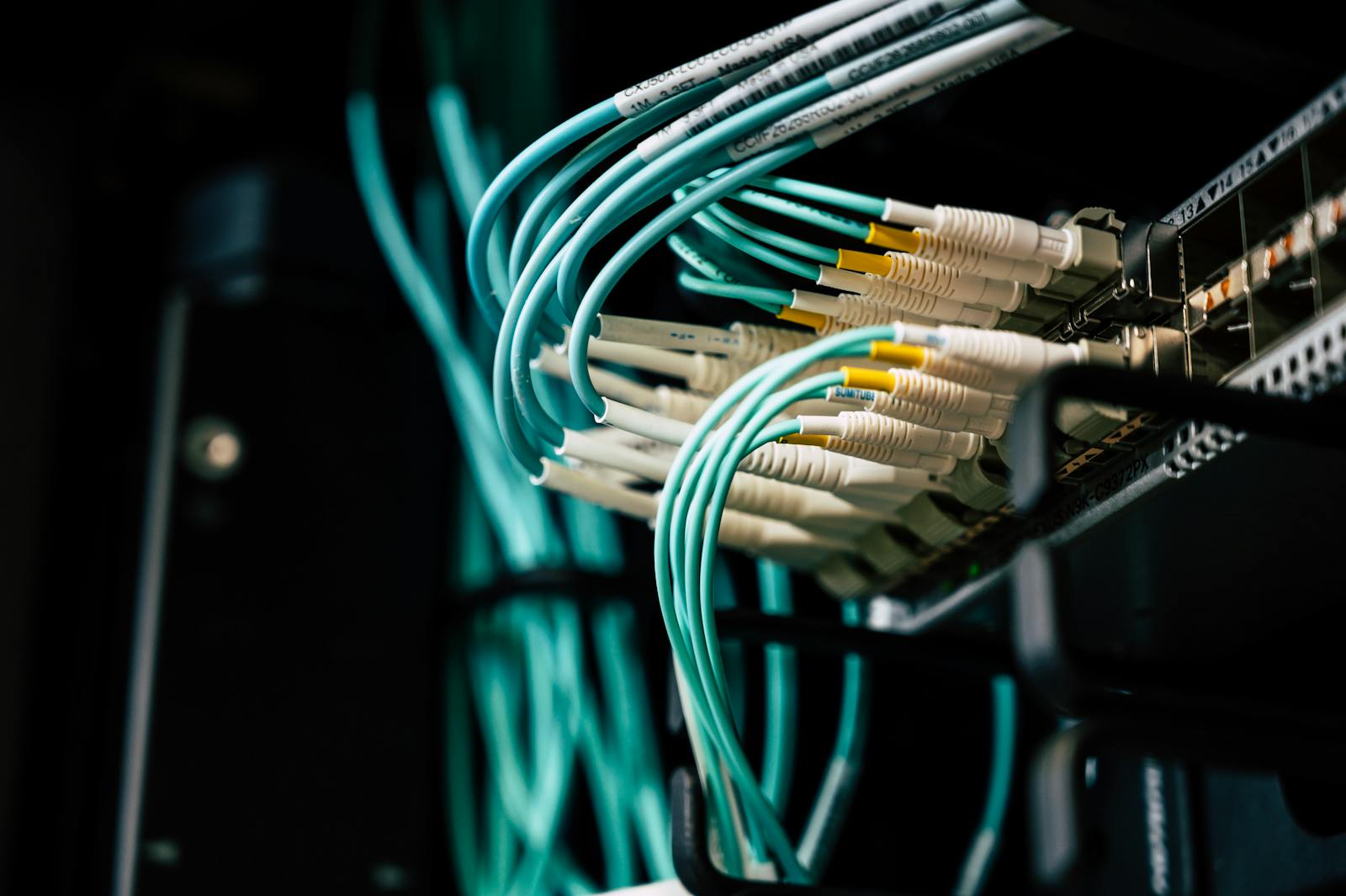
The choice between VoIP and traditional coax phone lines usually comes down to a few practical factors — cost, flexibility, and how reliable the business's internet connection actually is.
Where VoIP tends to win
- Cost: Lower long-distance and international rates, and no separate phone network to maintain.
- Scalability: Adding or removing lines is straightforward as the business grows or changes.
- Flexibility: Works anywhere there's an internet connection — useful for remote teams and multi-location businesses, especially with mobile apps that let staff use the business number from a phone.
- Features: Call forwarding, voicemail-to-email, auto-attendants and CRM integrations come standard on most VoIP platforms.
- Resilience: Cloud-based backups mean service can often continue even through a local outage.
What to check before switching
VoIP quality depends entirely on the underlying internet connection — a business with unreliable internet should fix that first, or the call quality issues will follow them to any VoIP provider. It's also worth confirming compliance requirements for VoIP services in your specific province before signing a contract.
For most small and mid-sized Canadian businesses with a stable internet connection, VoIP tends to offer more flexibility for a lower ongoing cost than a traditional coax line — but the right answer still depends on the specific business.